Acceptance in Marriage: One of the Most Important Love Actions for Emotional Safety
Many couples believe that love alone is enough to build a successful marriage. However, real-life relationships show us that love by itself does not always guarantee feelings of closeness, satisfaction, or harmony.
In many marriages, both spouses genuinely love each other, yet one or both may still feel misunderstood, unappreciated, or unloved in the way they truly need.
This is where the importance of Love Actions becomes clear. Love Actions are the behaviors and expressions that help people experience love in a meaningful and tangible way.
Through Harmony’s research on long-term relationships, we identified 25 Love Actions that individuals need in varying degrees to feel loved, connected, and emotionally fulfilled. Among the most powerful of these actions is Acceptance.
What Is Acceptance in Marriage?
Acceptance in marriage means helping your spouse feel valued, respected, and loved for who they are, including their differences, imperfections, and natural human weaknesses.
Acceptance does not mean believing your partner is perfect. It does not mean ignoring harmful behaviors or overlooking relationship challenges. Instead, it means separating a person’s worth from their mistakes or shortcomings.
When someone experiences acceptance, they receive a powerful emotional message:
“I see you, I understand you, I value you, and I still choose you.”
This feeling creates one of the strongest foundations for emotional safety in marriage.
Why Is Acceptance One of the Most Important Emotional Needs?
Most people carry hidden fears that they rarely express openly, including:
- Fear of rejection
- Fear of not being enough
- Fear of comparison
- Fear of losing love when flaws become visible
When a person feels accepted despite their imperfections, they experience greater emotional security, confidence, and belonging.
On the other hand, when love feels conditional on constant change, achievement, or meeting unrealistic expectations, emotional distance often begins to grow.
Acceptance does more than provide comfort—it strengthens trust, connection, and healthy communication between spouses.
Signs of a Lack of Acceptance in a Relationship
The absence of acceptance is not always obvious. It often appears through everyday behaviors that gradually damage emotional connection.
Common signs include:
- Constant criticism
- Excessive focus on flaws
- Mocking emotions or personal interests
- Frequent comparisons to others
- Attempts to completely change a partner’s personality
- Minimizing achievements and positive qualities
Over time, these behaviors can leave a spouse feeling inadequate, unwanted, or emotionally unsafe, even when love still exists.
How Does Acceptance Make a Person Feel?
When acceptance is one of a person’s primary Love Actions, receiving it from their spouse can have a profound impact.
It helps them feel:
- Emotionally safe
- Comfortable expressing their thoughts and feelings
- Secure within the relationship
- A genuine sense of belonging
- Valued and respected
- Emotionally connected to their partner
This is why acceptance is considered a cornerstone of healthy and lasting marriages.
Acceptance Does Not Mean Approving of Everything
One of the most common misconceptions about acceptance is that it means agreeing with everything your spouse does.
In reality, acceptance and approval are not the same thing.
You can accept your spouse as a valuable and worthy person while still addressing unhealthy behaviors, disagreements, or areas that need improvement.
In fact, people are often more willing to grow and change when they feel accepted first, rather than constantly criticized or rejected.
How to Practice Acceptance in Marriage
If acceptance is one of your spouse’s important emotional needs, these simple actions can help communicate it effectively.
1. Listen Before Judging
Seek to understand your spouse’s feelings and perspective before offering criticism or advice.
2. Separate the Person from the Behavior
Address specific actions without attacking your partner’s character or identity.
3. Avoid Comparisons
Repeated comparisons can significantly weaken a person’s sense of acceptance and self-worth.
4. Express Appreciation Regularly
Remind your spouse of their strengths, positive qualities, and contributions to the relationship.
5. Respect Differences
Healthy marriages do not require spouses to think, feel, or behave exactly the same way.
Is Acceptance the Love Action Your Relationship Needs?
One of the biggest mistakes couples make is assuming that everyone experiences love in the same way.
Some people need Acceptance to feel loved, while others may need Appreciation, Participation, Support, Containment, or other Love Actions.
As a result, one spouse may invest significant effort into expressing love, yet the message may not be received in the way their partner needs.
Understanding the Love Actions that matter most to each partner can improve communication, reduce misunderstandings, and create a stronger, more harmonious relationship.
Frequently Asked Questions About Acceptance in Marriage
What does acceptance in marriage mean?
Acceptance in marriage means helping your spouse feel respected, valued, and loved as they are while still encouraging personal growth and positive change.
Does acceptance mean ignoring mistakes?
No. Acceptance relates to a person’s value and dignity. Harmful behaviors and relationship challenges can still be addressed in healthy and constructive ways.
What is the difference between acceptance and forgiveness?
Forgiveness typically relates to healing after a hurtful event or mistake. Acceptance is an ongoing experience of feeling loved and welcomed despite natural imperfections and differences.
How do I know if acceptance is one of my primary Love Actions?
If criticism affects you deeply and you feel most connected when others understand and embrace your differences, acceptance may be one of your most important Love Actions.
Conclusion
Acceptance is far more than a pleasant feeling. It is one of the 25 Love Actions in the Harmony Cycle, helping individuals experience emotional safety, belonging, trust, and connection within marriage.
When spouses feel accepted for who they are, they become more capable of communicating openly, working together, growing as individuals, and building a healthy, lasting relationship.
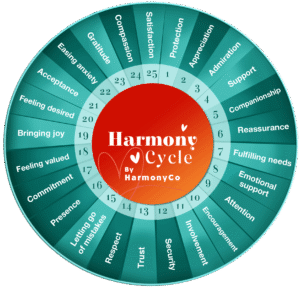
Through the Harmony Cycle and its 25 Love Actions, we have discovered that every person has unique emotional needs that directly influence how they experience love and satisfaction in a relationship.
Understanding your own Love Actions—as well as those of your spouse—can be a powerful step toward building a more conscious, connected, and harmonious marriage.
In some situations, marriage counseling can help couples gain deeper insight into these emotional needs and uncover the underlying causes of recurring conflict, emotional distance, and communication challenges.
💡 At Harmony – Marriage Counseling & Training, we help Arab couples around the world build healthy marriages founded on harmonious communication,through exclusive compatibility assessments, and practical training programs.
If you are facing a challenge that you and your partner cannot resolve, book your consultation today and build your marital life on a foundation of strength, understanding, and harmony.