Gratitude in Marriage: The Secret to Emotional Connection and Fewer Conflicts
What Is Gratitude?
And Why Does It Change the Way We See Life and Relationships?
Amid daily pressures, endless responsibilities, and constant comparisons, we sometimes overlook one of the simplest yet most powerful emotions that can transform both our emotional well-being and our relationships: gratitude.
Gratitude is not merely a polite expression or a temporary reaction to something positive. It is a mindset and a deep emotional awareness that helps us focus on the blessings we have instead of constantly dwelling on what is missing.
In marriage and family relationships, gratitude is one of the most important emotional qualities that preserve warmth, strengthen emotional security, and increase feelings of appreciation between partners.
The Meaning of Gratitude
Gratitude is an inner sense of appreciation and recognition of value—whether toward a blessing, a meaningful experience, a loved one, or even a small act of kindness offered with sincerity.
It means noticing the good things in your life and genuinely appreciating them rather than taking them for granted.
A grateful person does not spend life constantly chasing what is lacking. Instead, they are able to recognize the small moments of beauty and comfort that bring peace and contentment.
Gratitude Does Not Mean Ignoring Problems
One of the most common misconceptions about gratitude is that it requires denying sadness or ignoring life’s challenges.
In reality, grateful people may go through extremely difficult times, yet they remain capable of seeing the positive aspects of their lives.
Gratitude does not eliminate pain—it simply prevents pain from overshadowing everything good within us.
How Does Gratitude Affect Mental Health?
Research has shown that gratitude has a profound impact on psychological well-being because it helps:
- Reduce stress and emotional pressure
- Increase feelings of satisfaction and inner peace
- Improve mood and emotional resilience
- Strengthen self-esteem
- Decrease focus on negative comparisons
- Enhance emotional security
When gratitude becomes a daily practice, the mind gradually learns to notice blessings and opportunities instead of focusing solely on problems and losses.
Gratitude in Marriage
In many relationships, the issue is not the absence of love—it is the absence of appreciation.
When one partner feels that their efforts go unnoticed or that their presence is taken for granted, emotional needs often begin to surface in painful ways.
This is where gratitude becomes essential.
Simple phrases such as:
“Thank you for everything you do for our family.”
or
“I truly appreciate having you in my life.”
can have a powerful emotional impact on a relationship.
Gratitude between spouses can:
- Strengthen emotional intimacy
- Reduce daily conflicts and tension
- Increase feelings of appreciation and respect
- Create a warmer and more supportive relationship
How Can We Practice Gratitude Every Day?
Gratitude is not a talent—it is a habit that can be developed over time.
Here are a few simple ways to cultivate gratitude:
1. Keep a Gratitude Journal
Write down positive moments each day, even if they seem small:
- Someone checking on you with genuine care
- A peaceful moment during a busy day
- A personal achievement
- The support of family or friends
2. Express Appreciation
Do not assume that others already know how grateful you are. Tell them.
Words of appreciation can strengthen emotional bonds more than we often realize.
3. Stop Constant Comparison
Comparing yourself to others can make you feel that what you have is never enough.
Gratitude shifts your focus toward the value already present in your life.
4. Notice the Small Blessings
Sometimes the things that bring us the greatest comfort and security are the very things we have become too accustomed to noticing.
Why Do We Sometimes Struggle with Gratitude?
Some people grow up in environments where criticism is more common than appreciation. Others become so accustomed to focusing on what is lacking that expressing gratitude feels difficult.
In other cases, overwhelming stress can place a person in survival mode, making it harder to recognize the good around them.
The good news is that gratitude is a skill that can be rebuilt through awareness and intentional practice.
Gratitude Does Not Always Change Circumstances—But It Changes People
Gratitude may not prevent life’s challenges, but it helps people become more balanced, resilient, and emotionally grounded.
Those who can recognize blessings even during difficult times often develop greater psychological strength and a deeper capacity to give love, support, and compassion to others.
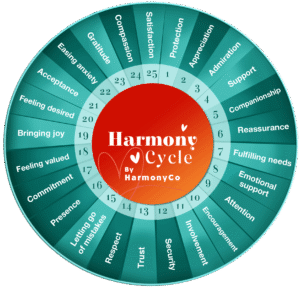
Harmony cycle
Strong marriages don’t happen by accident—they are built through intentional, repeated acts of love.
Gratitude is just one of the 25 Acts of Love included in the Harmony Cycle,
a unique relationship tool that helps couples deepen emotional connection, strengthen understanding, and create a more loving and stable marriage.
Strengthen Your Relationship Through Better Understanding
If you feel that your marriage or family relationship needs a deeper understanding of emotional needs, healthy communication, and stronger connection, professional guidance can help.
Book Your Consultation Today
Take the first step toward practical solutions, healthier communication, and a more stable, fulfilling relationship.
💡 At Harmony – Marriage Counseling & Training, we help Arab couples around the world build healthy marriages founded on harmonious communication,through exclusive compatibility assessments, and practical training programs.
If you are facing a challenge that you and your partner cannot resolve, book your consultation today and build your marital life on a foundation of strength, understanding, and harmony.